
You’re about to drop $15,000 on a batch of Antminer S21 Pros from a supplier in Shenzhen, and your bank just flagged the transaction. Sound familiar? If you run a mining operation of any size, you’ve hit this wall before. International hardware purchases are the backbone of crypto mining, and traditional payment rails make them unnecessarily painful.
Why mining hardware procurement is a payment headache
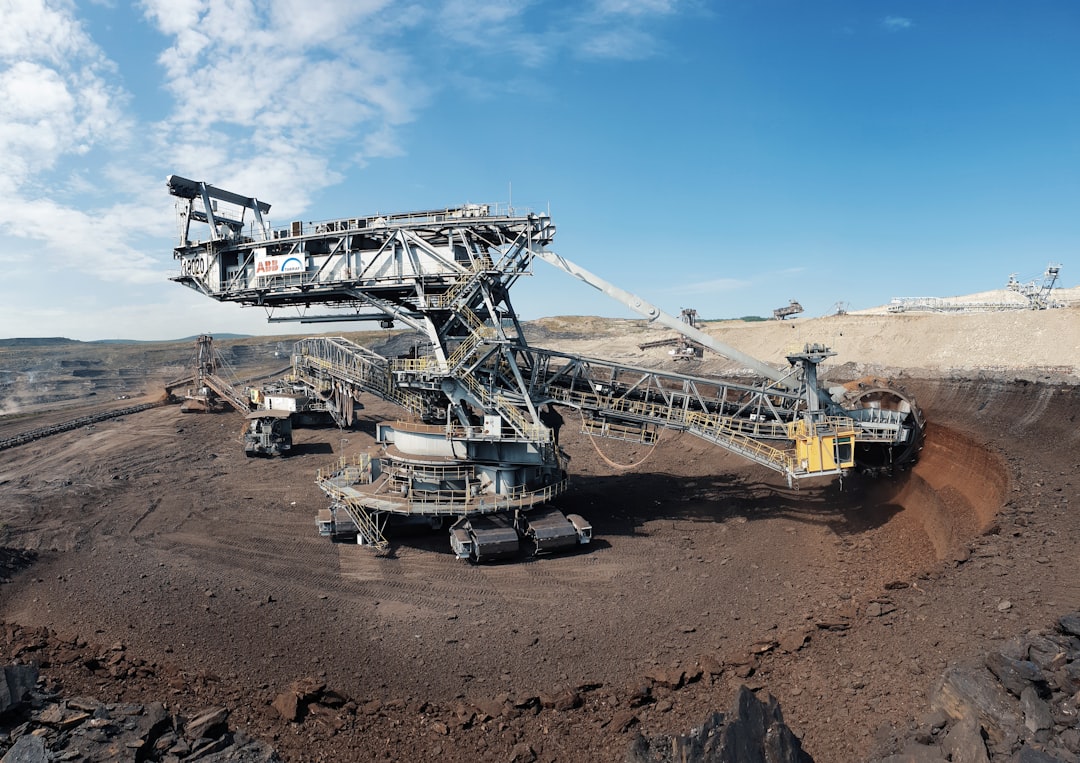
Mining hardware isn’t cheap, and it doesn’t come from around the corner. The best ASICs ship from manufacturers in China, Southeast Asia, and increasingly from secondary markets in Eastern Europe. A single unit can run $3,000 to $10,000 depending on the model and market conditions. When you’re ordering in bulk, you’re looking at five- or six-figure invoices that need to clear fast.
Traditional bank wires work, but they’re slow. Three to five business days is standard, and that’s if your bank doesn’t freeze the transfer for “review.” Wire fees eat into margins too. A $45 fee on a $50,000 order isn’t catastrophic, but it adds up when you’re placing orders monthly. Credit cards would be ideal for the speed and buyer protection, but most corporate cards carry foreign transaction fees of 2.5% to 3%, and many suppliers don’t accept them for large orders anyway.
Then there’s the currency conversion problem. Your supplier quotes in USD or CNY. Your bank converts at a rate that benefits the bank, not you. You lose another 1% to 2% on the spread before the payment even arrives.
How stablecoin corporate cards change the equation
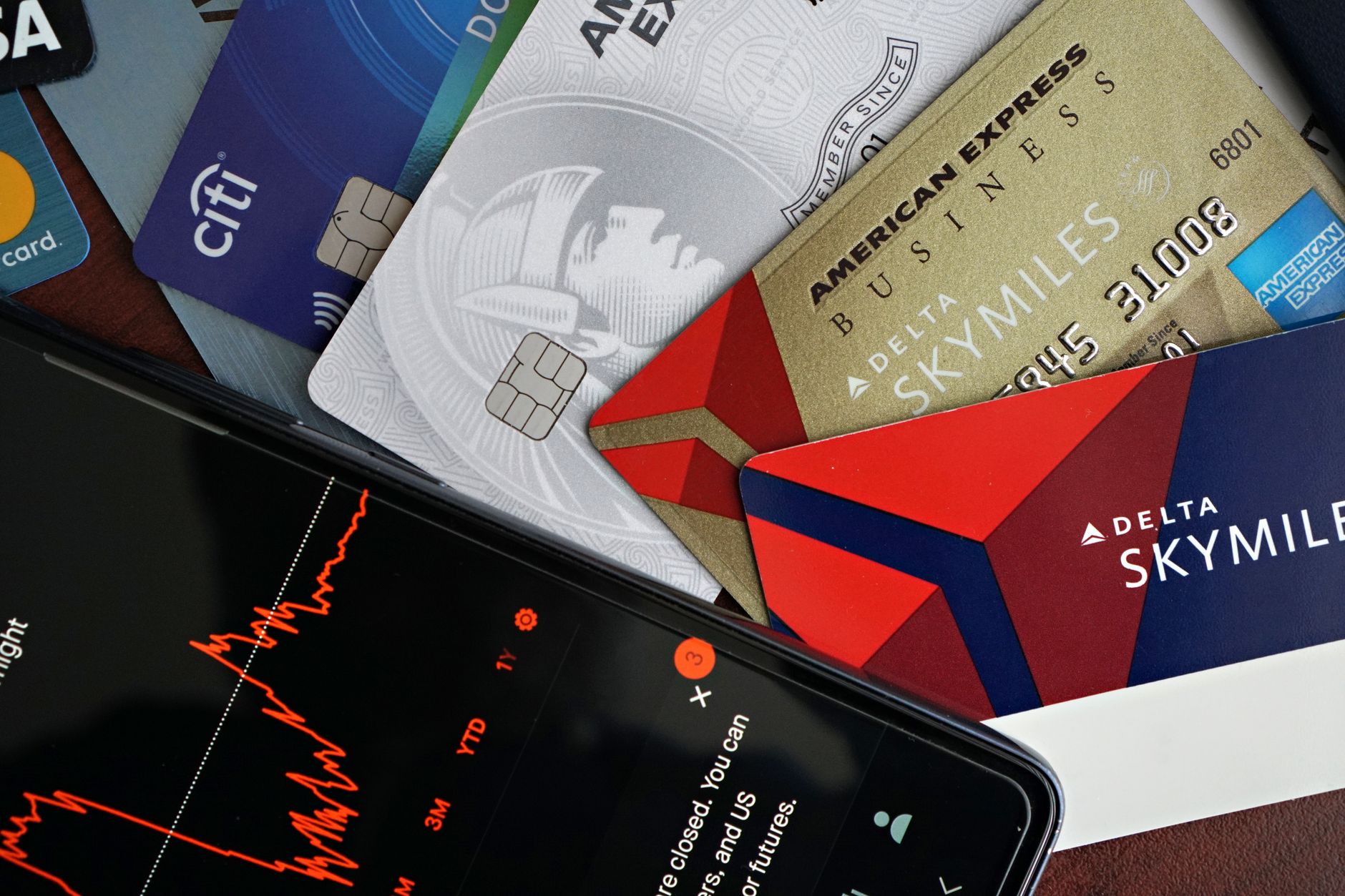
A stablecoin corporate card solves most of these problems in one move. You fund the card with USDC or USDT, and the card processes payments in whatever fiat currency the supplier accepts. No bank freezing your transaction because it looks “unusual.” No waiting for wire confirmations. No losing money on bad exchange rates.
Here’s how it works in practice. You load your corporate card with stablecoins from your treasury or exchange account. When it’s time to buy hardware, you pay the supplier just like any card transaction. The settlement happens in fiat on their end. They get paid in their local currency. You paid in crypto. Everyone’s happy.
The speed difference alone makes this worth considering. A wire transfer takes days. A card payment authorizes in seconds and settles within one to three business days. When a new batch of miners drops and inventory moves fast, that speed is the difference between securing hardware and watching it sell out.
Real numbers: what you actually save

Let’s run the math on a typical order. Say you’re buying 10 Antminer S21 XP units at $4,800 each. That’s $48,000 total.
Wire transfer route:
- Wire fee: $45
- Exchange rate loss (1.5%): $720
- Time cost: 3 to 5 days (opportunity cost if price moves)
- Total friction: ~$765
Stablecoin corporate card route:
- Card processing fee: often 0% on the buyer side
- No foreign transaction fees with the right card
- Exchange rate: near mid-market
- Settlement: 1 to 3 days
- Total friction: minimal
You’re saving $700+ per order. Over a year of monthly purchases, that’s $8,000 to $10,000 in fees you’re not paying. That’s another ASIC or two, just from switching payment methods.
Managing mining spend with corporate controls

The other advantage nobody talks about is spend management. Mining operations often have multiple team members placing orders, paying for hosting, or covering electricity deposits. A corporate card program lets you issue multiple cards with individual spending limits.
You can set a $10,000 monthly limit on the card your warehouse manager uses for parts. You can issue a separate card for hosting facility deposits with a $25,000 cap. Everything feeds into one dashboard. No more chasing receipts or reconciling a dozen wire transfers at the end of the month.
This matters more than most operators realize. When you’re scaling from 20 machines to 200, the administrative overhead of payments becomes a real time sink. Corporate card programs with stablecoin funding let you scale your payment infrastructure alongside your hash rate.
What to watch out for

Not every supplier accepts card payments for large orders. Some still prefer wire transfers or crypto direct. Ask before you commit to a card-based workflow. Also, verify the card’s daily and per-transaction limits. A $50,000 hardware order might exceed your default limit, and you don’t want to find that out at checkout.
Tax treatment varies by jurisdiction. In the US, spending stablecoins is generally treated as a taxable event. Consult your accountant. In other jurisdictions, the rules are different or still evolving. Keep clean records regardless.
Finally, watch your stablecoin exposure. If you’re holding your entire treasury in USDT and the peg wobbles, that’s a risk. Diversify your payment rails and don’t park more on a card than you need for near-term purchases.
The bottom line

Mining is a margin business. Every dollar you save on procurement, electricity, and operations goes straight to your bottom line. A stablecoin corporate card won’t make or break your operation, but it removes friction from one of the most common tasks you face: buying hardware internationally, fast, without getting gouged on fees.
If you’re still wiring money the old way, you’re leaving money on the table. Set up a corporate card funded with stablecoins, test it on your next order, and see the difference in your settlement times and fee statements.