Heat kills rigs fast, and you already know that. Dust kills them so slowly that you only find out when the payout graph sags and you can’t explain why. Dust removes your margin by degrees: a few degrees of memory temperature here, a few percent of hash rate there, until the rig that cruised through winter limps through July. The fix is boring. You filter the intake, you watch when the filter clogs, and you clean on a calendar instead of whenever you happen to feel guilty.
What actually clogs

The fin stack on the GPU cooler is the main victim. It’s a dense sandwich of thin aluminum fins with 1 to 2mm gaps, and it works by having air move through those gaps. Dust bridges the gap, the bridge catches more dust, and the fin pack slowly turns into a felt brick. A card in a garage can lose a third of its cooling capacity in six weeks.
Different dust behaves differently, and this is the part that ruins naive cleaning schedules. Pet hair and lint mat across fan blades and choke filters. Fine construction dust, drywall and concrete powder, works past filters and packs deep between fins where a quick blow-out won’t reach. Cooking aerosol and candle soot are the worst, because they’re sticky. They glue dust onto the fins in a cement-like film that compressed air just polishes. If your rig lives in a kitchen-adjacent room or you burn candles, plan on washing heatsinks with isopropyl alcohol and a brush.
Two more spots get ignored until they fail. The power supply has its own intake and fan, and a dust-caked PSU runs hot and dies early, taking hardware with it. And fan bearings wear faster when blades are unbalanced with dust buildup, so a rig that used to hum now ticks.
Filter pressure drop and your fan curve
A filter is a restriction you bolted onto your intake. Its resistance is quoted as pressure drop at a given airflow, and the MERV rating scale is how HVAC filters are graded for particle capture. Here’s the trade you’re making: higher MERV captures finer dust but costs you more pressure. A MERV 8 panel might start around 25 to 40 Pa of resistance. A MERV 13 can start at 60 to 90 Pa before it’s even dirty.
Now compare that to your fans. A typical 120mm case fan makes roughly 30 to 150 Pa of static pressure, and it loses airflow as resistance climbs. Put a loaded MERV 13 in front of a cheap 0.8 mm H2O fan and the fan is fighting the filter more than it’s moving air through the heatsink. The card compensates by ramping fans. When that runs out, it throttles.
Two fixes. First, use a lower-restriction filter (MERV 7 or 8). You’re protecting aluminum fins from grit here, and lungs are a separate problem. Second, oversize the filter area. Tape filter material across the whole intake side of an open frame instead of over one 120mm hole. Double the area roughly halves the face velocity and the pressure drop with it. A roll of 3M Filtrete cut to size and held on with a magnetic screen frame costs under $20 and swaps in 60 seconds.
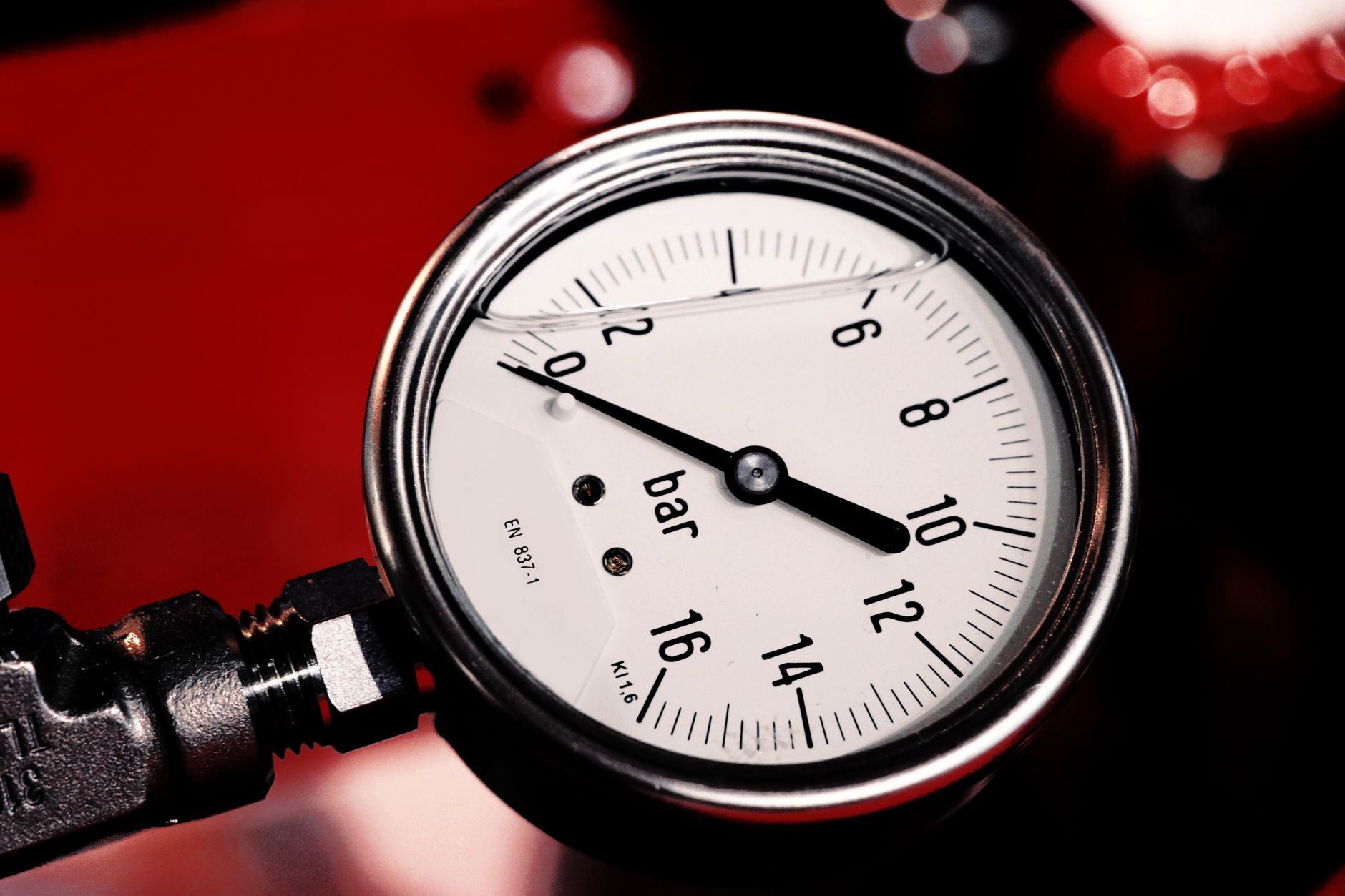
If you want real numbers, a $30 manometer tells you the pressure drop across the filter. Failing that, watch fan RPM at fixed temperatures: when the fans need 200 extra RPM to hold the same memory junction temp, the filter is done.
A cleaning schedule you can keep

Daily: glance at memory junction temps and fan speeds in HWiNFO64 or your miner dashboard. Thirty seconds.
Every two weeks: check the filter, vacuum it or swap it. In pollen season (April through May here), weekly.
Every 4 to 6 weeks: full blow-out with a real duster, an XPower A-2 Airrow Pro or a DataVac ED500. Hold the fans still with a zip tie while you blow, because a fan spun backward by compressed air generates voltage and can kill its own controller. Do it outdoors.
Quarterly: blow out the PSU from the intake side, wipe the fan blades, and listen for bearing rattle. Replace any fan that clicks before it seizes.
Every 6 to 12 months, or when memory junction creeps up 8 to 10C on clean fins: repaste the core and repad the memory. That creep is your timer.
The drift you can measure
I log hashrate and rejected shares per card on a six-GPU rig in the garage. Summer 2024 I skipped the June blow-out and let the filters run eight weeks instead of two. The rig started the stretch at 585 MH/s on a memory-bound algorithm and walked down to about 552 by week seven, roughly 6 percent gone, with rejected shares creeping from 0.4 to 1.1 percent. Memory junction temps on two cards had moved from 88C to 98C. Ten minutes with the duster and fresh filter material brought it back to 580 within an hour.
That’s the shape of it. Neglect shows up as a slow ramp down with no crash to announce it, and the lost coins never come back. Put the filter check and the blow-out in your calendar now, and the drift stays flat.